Okay, so check this out—I’ve logged into more exchanges than I can count. Wow! There’s a rhythm to it. You click, you authenticate, you trade. But with OKX I kept hitting tiny frictions that add up. My instinct said something felt off about the flow. Hmm… and then I dug in.
At first I thought it was just me—maybe a sloppy password manager or flaky VPN. Actually, wait—let me rephrase that: it was partly me, but also partly the way web3 wallets and centralized exchange auth overlap now, and that overlap creates confusion for even seasoned traders. On one hand it’s supposed to be seamless, though actually the hybrid model (custodial + wallet) introduces choices that look similar but behave very differently.
Here’s the thing. A typical OKX session can involve: account password, 2FA (SMS or authenticator), device approval, and sometimes web3 wallet connection. Short steps, yes. Medium complexity when combined. Long, tangled user journeys when you try to mix them—like connecting a non-custodial wallet to a centralized interface while also managing KYC-locked features, which requires extra care because the systems weren’t designed as one smooth train but as three separate cars shoved together.
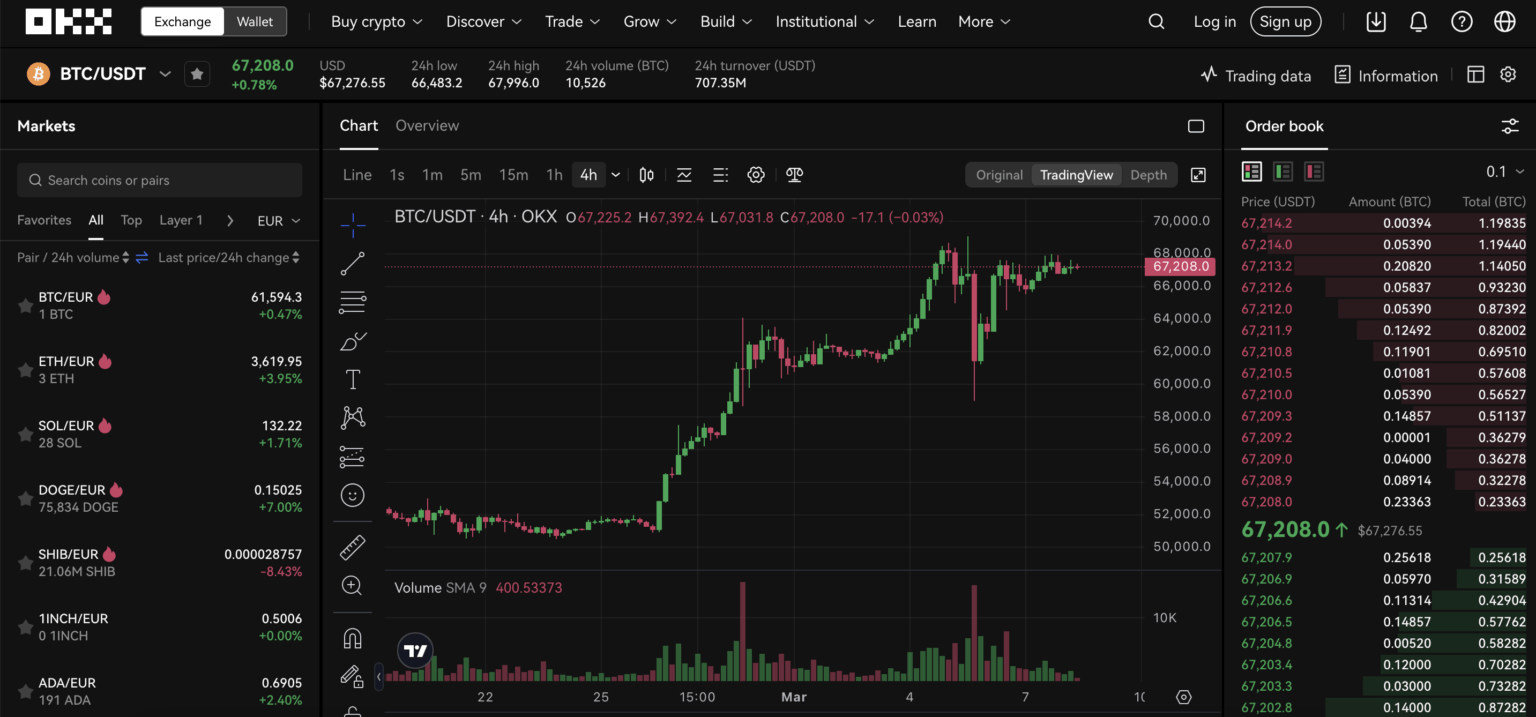
Common pain points and quick remedies
Seriously? Yes—these are the things that actually trip people up. First: mismatch expectations. You think “wallet connect” = access to everything. Not true. Second: SMS 2FA delays. Third: browser extensions conflicting with each other. My experience: disable unused extensions, clear the cache, and use browser profiles for exchange work. Simple, but very very effective.
Another tip—if you get a locked account after KYC checks, breathe. Don’t hammer refresh. Email support and gather screenshots. Also, keep backup codes and a secondary 2FA method. I’m biased, but using an authenticator app beats SMS most days. It’s more reliable, and when you lose your phone there’s a recovery route if you prepared ahead.
Okay, so a practical check-list:
- Verify your email and complete KYC before connecting wallets.
- Enable an authenticator app (not just SMS).
- Keep backup codes somewhere safe, offline.
- Use separate browser profiles for different accounts.
- When using web3 features—understand what stays in your wallet and what is deposited into OKX custody.
Web3 on OKX: promise vs. reality
Oh, and by the way… web3 buttons look inviting. They’re shiny. But they hide nuance. Initially I thought “connect wallet, done.” But then I realized that signing a message to prove ownership is not the same as granting deposit power. On one hand, the signature is a low-privilege proof. On the other hand, some dapps will request approvals that let contracts move funds—so watch those prompts closely.
Check this: you can use OKX for on-chain swaps and also link a hardware wallet. That’s great. But when you toggle between on-chain and custodial trades, balances and available actions change. It’s easy to send funds from the wrong place. So label your wallets. For real. Give the hardware wallet a name like “Ledger – Trading” and your hot wallet “Meta – Quick Bets”—helps prevent mistakes when you’re rushed at 2am.
If you need to get to your account quickly, this link has the official-ish login path I use for sanity checks: okx login. Save it. Seriously. Put it in a bookmark folder labeled “exchange tools” or somethin’.
Security: things that actually matter
Here’s what bugs me about blanket advice—too generic. “Use 2FA” is fine, but the nuance matters: hardware keys (YubiKey, for instance) protect against phishing in a way TOTP apps can’t. Use them for high-value accounts. Also—enable withdrawal allowlist if you’re primarily holding on the exchange. It’s not perfect, but it reduces attack surface.
Another real-world trick: review active sessions in your account settings. You’ll sometimes see a stale session from your phone from months ago. Revoke it. Log out of unknown devices. And don’t ignore email alerts—if you get one about a password change and didn’t initiate it, act fast.
FAQ
Why can’t I sign in even with correct credentials?
Usually 2FA or device approval. Sometimes it’s a KYC hold. Wait a minute—also check for browser extensions blocking popups or a VPN that flags odd behavior. If you see an error about suspicious login, contact support and prepare screenshots. I’m not 100% sure the support wait times are stable, they vary, but having clear evidence speeds things up.
Should I connect my MetaMask to OKX?
It depends. If you’re only exploring on-chain features, yes—connect but monitor approvals carefully. If you’re trading centrally, keep funds in your OKX account or in a cold wallet. My gut says: minimize cross-connections unless you need them. There’s convenience, and then there’s risk; balance them.
Mobile app vs web: which is safer?
Both have pros. Mobile apps reduce exposure to browser extension attacks, though mobile malware exists. Web can be safer when using hardware keys and dedicated browser profiles. Use what you control best. Personally I do quick checks on mobile and high-risk ops on desktop with a hardware key.